

Sino-German Scholars Gather in Suzhou to Discuss Cutting-Edge Topics in Neuron-Glia Interaction
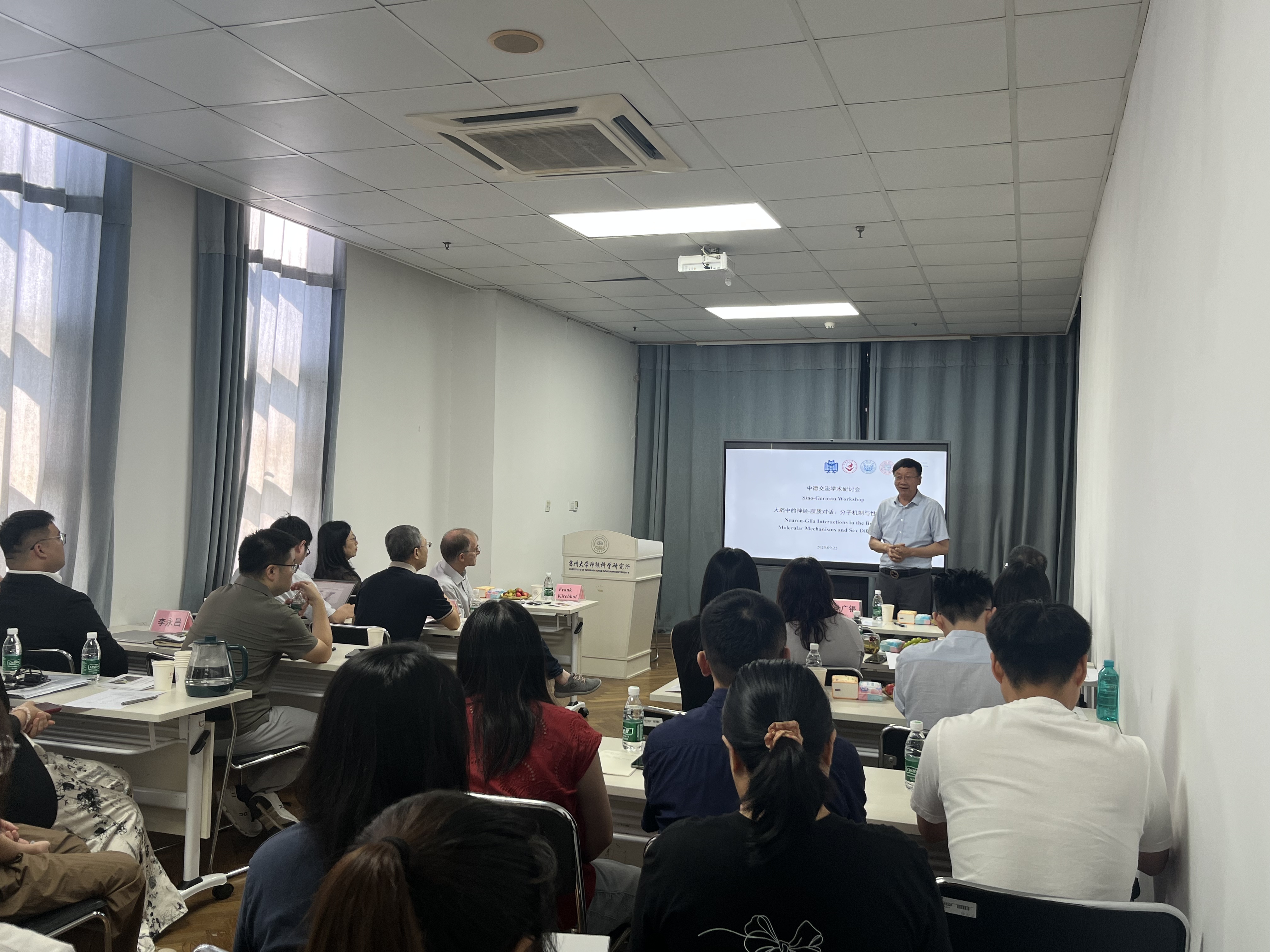
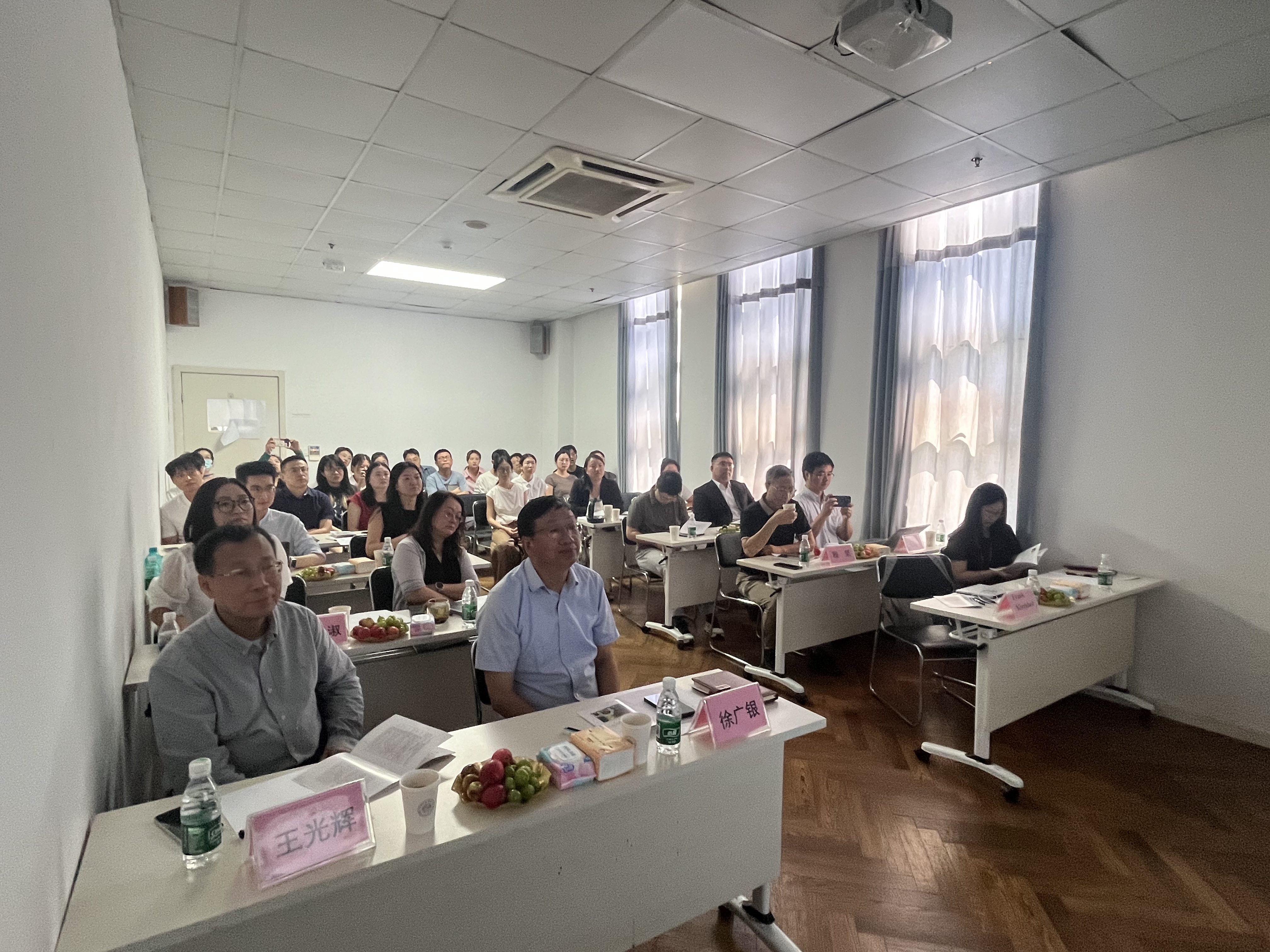
To promote international exchanges and cooperation in the field of neuroscience, the Sino-German Academic Symposium was successfully held in the conference room of the Institute of Neuroscience, Soochow University, on September 22, 2025. Hosted by the Institute of Neuroscience, Soochow University, the symposium was themed “Neuron-Glia Interactions in the Brain: Molecular Mechanisms and Sex Differences”. It aimed to explore the molecular mechanisms underlying the interactions between neurons and glial cells as well as their gender-specific manifestations, advance the integrated development of interdisciplinary research in relevant fields, and facilitate the clinical translation of research findings.
The event brought together research scholars from universities and research institutions across Germany, Portugal and China, including distinguished experts such as Prof. Frank Kirchhoff (Saarland University, Germany), Prof. Matthew Holt (University of Porto), Prof. Xianshu Bai (China Pharmaceutical University), as well as researchers from Soochow University including Prof. Guang-Hui Wang, Prof. Jian Cheng, Prof. Qi-Fei Cong, Prof. Quan-Hong Ma, and Postdoctoral Researcher Yong-Chang Li. Centering on frontier research topics, the conference featured in-depth reports and discussions covering the heterogeneity of astrocytes, the roles of microglia in neuroinflammation and neural repair, the functions of oligodendrocyte precursor cells, and gender-specific molecular mechanisms.
The conference opened with welcoming remarks by Prof. Guang-Yin Xu. He expressed sincere gratitude to all participating experts and scholars, noting that the symposium was designed to facilitate interdisciplinary dialogue, encourage academic contention and win-win cooperation, and drive the integrated and innovative development of neuroscience and related cross-disciplinary fields.
Prof. Frank Kirchhoff shared his team’s latest findings on the molecular mechanisms of neuron-glia interactions in the central nervous system. He emphasized that glial cells play a pivotal role in the regulation of neural circuits, exhibiting pronounced functional heterogeneity under gender-specific backgrounds. Using single-cell sequencing technology, his team has identified distinct molecular characteristics of astrocytes across different brain regions and between genders, providing novel insights into understanding the gender specificity of neurological disorders.

Prof.Guang-Hui Wang delivered a report on the role of microglia in neuroinflammation. His team demonstrated that inhibiting excessive microglial activation can effectively alleviate inflammation-induced dopaminergic neuronal damage, offering a novel therapeutic target for the treatment of neurodegenerative diseases such as Parkinson’s disease. He also highlighted the critical function of cellular energy metabolism in modulating neuroinflammation.

Prof. Xian-Shu Bai systematically illustrated the essential roles of oligodendrocyte precursor cells in the regulation of brain functions. Her research revealed that these cells are not only responsible for myelination, but also directly modulate neuronal activity and higher brain functions such as learning and memory via secretory factors. Notably, her team identified significant gender disparities in the regulatory effects of oligodendrocytes on neural circuits, indicating their potential crucial roles in gender-related brain disorders.

Prof. Jian Cheng focused on the newly discovered mechanism of microglia-mediated white matter repair after stroke. His team found that regulating lysosomal cholesteryl ester hydrolase can trigger the transformation of microglia into a novel reparative phenotype, thereby promoting structural and functional recovery following brain injury. This finding provides an innovative strategy for post-stroke rehabilitation treatment.

Prof. Qi-Fei Cong shared his research on the mechanisms of gender-specific proteomics and the complement C3-microglia axis in depression. His team verified that microglial activation states and molecular pathways under depressive conditions differ significantly between males and females, with complement C3 serving as a core mediator in the development of depression-related behavioral phenotypes.

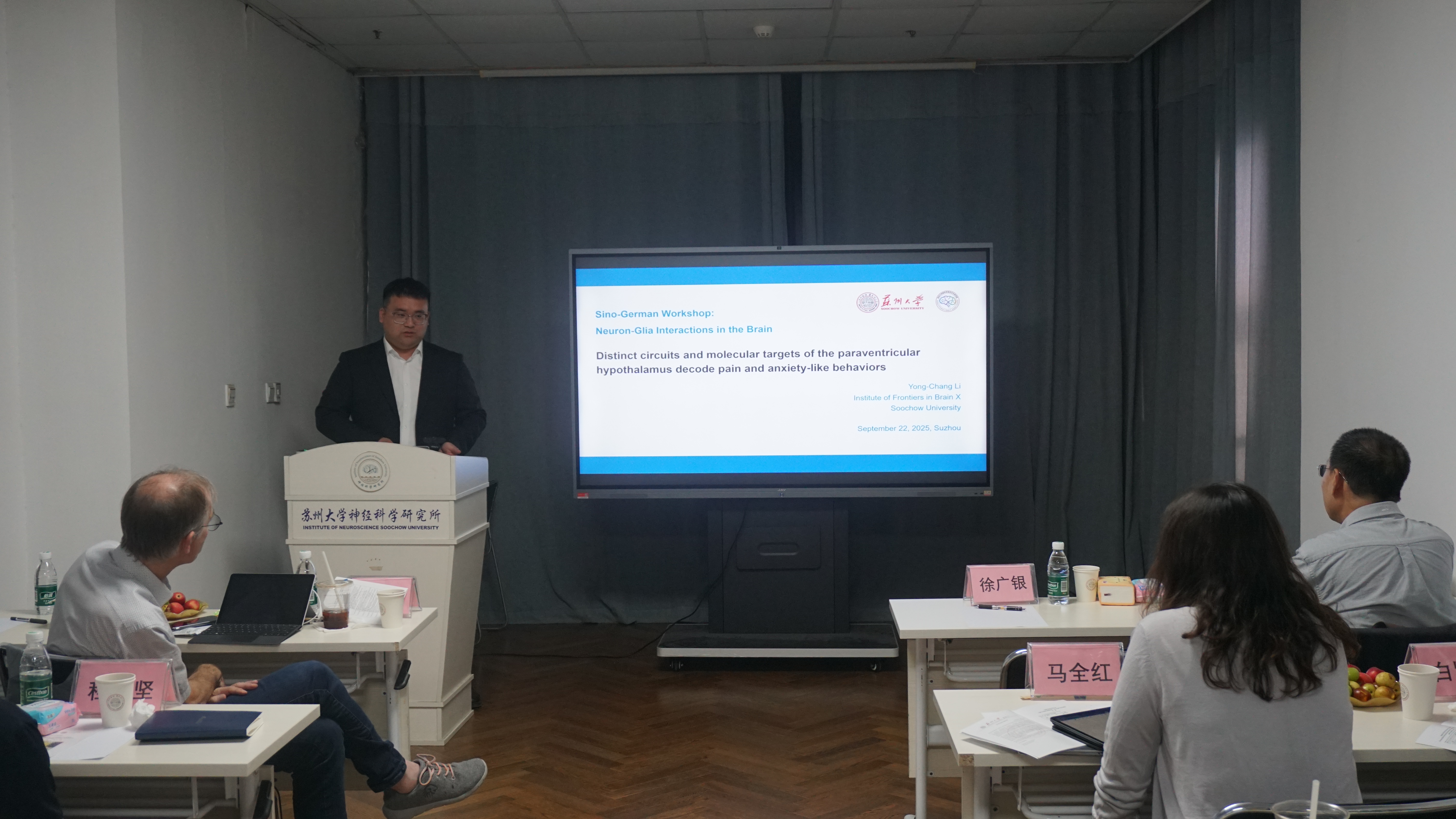
Postdoctoral Researcher Yong-Chang Li introduced the functions of distinct neural circuits in the paraventricular nucleus of the hypothalamus in decoding pain and anxiety-like behaviors. Employing optogenetic and chemogenetic approaches, his study dissected the functional heterogeneity of specific neuronal populations in modulating negative emotions, providing new evidence for the mechanistic understanding of comorbid pain and emotional disorders.
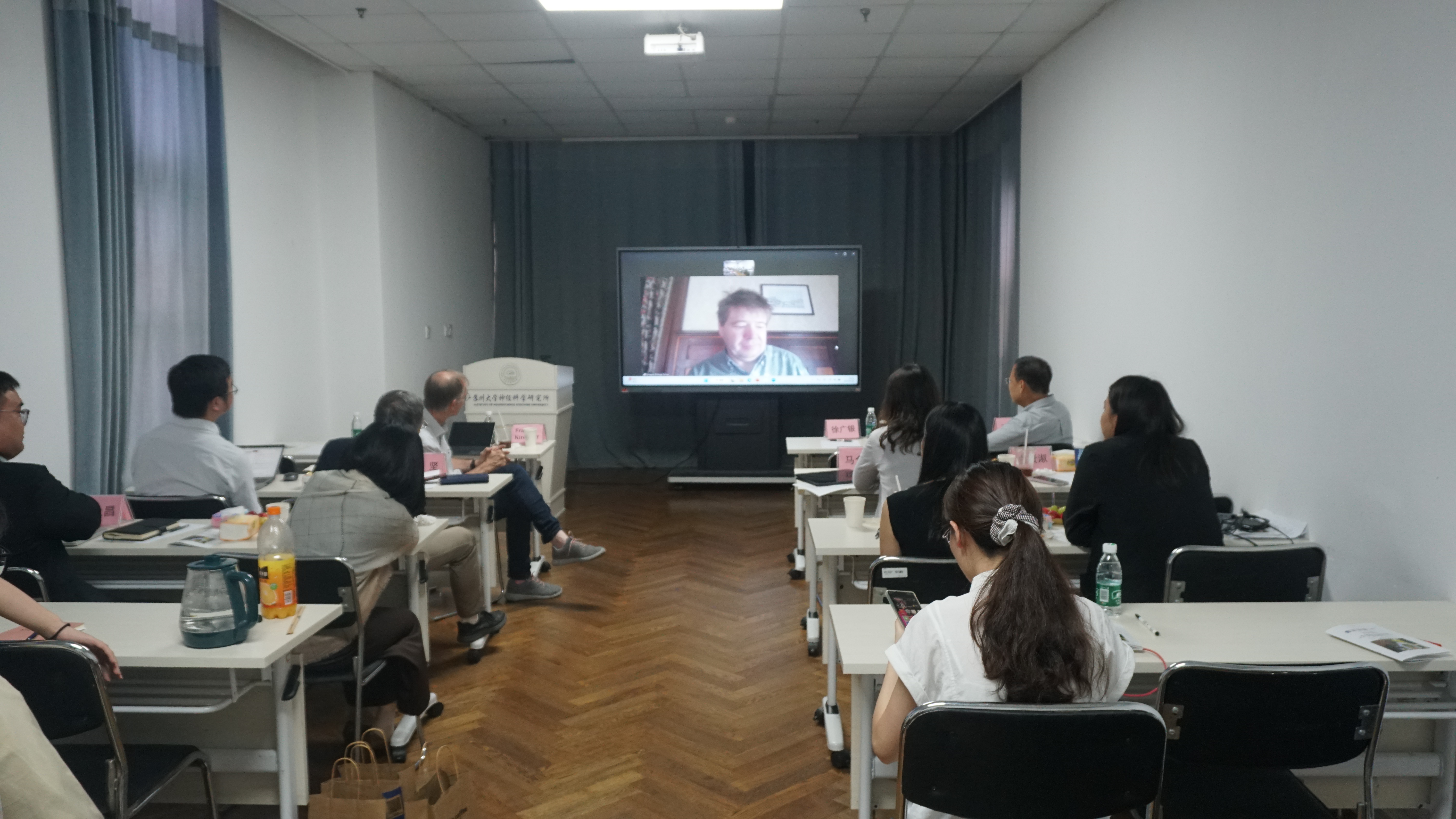
Prof. Matthew Guy Holt presented the impacts of astrocyte heterogeneity on synapse formation. He proposed that astrocytes constitute a heterogeneous population, with distinct subtypes exerting unique functional properties across different brain regions and further modulating neural network construction and plasticity. His research also demonstrated the potential application of novel blood-brain barrier-penetrating viral vectors in the treatment of neurodegenerative diseases, achieving targeted local drug delivery in the central nervous system through a “bio-pharmaceutical” strategy.
Prof. Quan-Hong Ma reported the driving effect of DAGM accumulation on brain aging. Her team’s findings indicated that the metabolic metabolite accumulates substantially in the aged brain, accelerating cognitive decline by disrupting neuronal energy metabolism and glial cell function. This discovery provides a promising intervention target for delaying brain aging.

The conference agenda covered a wide range of research directions from basic molecular mechanisms to disease models, focusing on the regulation of neuro-immune-glial networks in multiple key pathological contexts, including stroke, neurodegenerative diseases, pain and emotional disorders.
This high-standard symposium has built a high-quality academic exchange platform for Chinese and foreign scholars. It further advances the international development of neuroscience discipline at Soochow University, and contributes to the improvement of independent innovation capability and high-level talent cultivation in the field of neuroscience in China.